
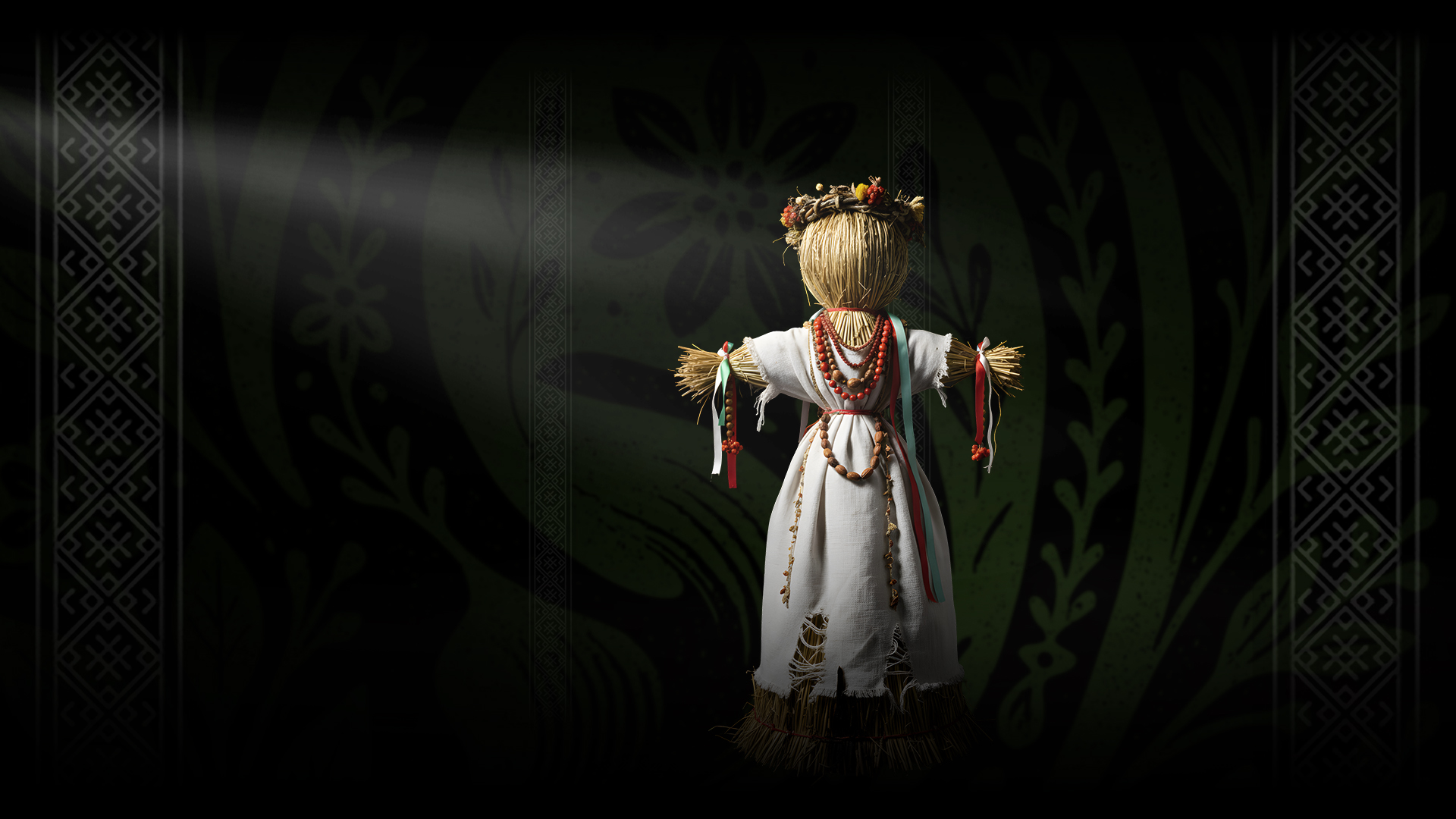
Marzanna to jedna z najbardziej rozpoznawalnych postaci słowiańskiej mitologii. Bogini zimy, śmierci i uśpienia natury symbolizowała wszystko to, co martwe, chłodne i gasnące. Jej rytualne pożegnanie było dla dawnych Słowian nie tylko obrzędem, ale aktem magicznym, który miał zapewnić powrót życia, urodzaj i pomyślność w nadchodzącym roku.
Do dziś topienie lub palenie Marzanny jest żywą tradycją, praktykowaną w wielu regionach Polski – zarówno w formie szkolnego zwyczaju, jak i coraz częściej świadomego, rekonstrukcyjnego obrzędu pogańskiego.
Marzanna w mitologii słowiańskiej
W wierzeniach przedchrześcijańskich Marzanna (znana też jako Morena, Morana, Śmiercicha) była uosobieniem:
- zimy i mrozu,
- chorób i śmierci,
- stagnacji oraz końca cyklu.
Jej przeciwieństwem były bóstwa wiosny i życia – Jaryło, Dziewanna czy Mokosz w aspekcie płodności. Rytuał zniszczenia Marzanny symbolizował przełamanie martwego okresu i otwarcie drogi nowemu cyklowi natury.
Jare Gody – słowiańskie święto wiosny
Jare Gody to jedno z najważniejszych świąt w kalendarzu słowiańskim. Obchodzone w okolicach równonocy wiosennej, było celebracją:
- zwycięstwa światła nad ciemnością,
- odrodzenia przyrody,
- nowego początku.
Centralnym elementem obrzędów było pożegnanie Marzanny – przez spalenie lub utopienie jej kukły, często przy śpiewach, bębnach i wspólnej uczcie.
Palenie Marzanny – symbolika ognia
Choć najczęściej mówi się o topieniu Marzanny, ogień miał w tradycji słowiańskiej równie silne znaczenie:
- oczyszczał,
- chronił przed złymi mocami,
- symbolizował słońce i energię życia.
Spalenie Marzanny było więc nie tylko końcem zimy, ale także rytuałem oczyszczenia wspólnoty – pozostawienia za sobą tego, co stare, ciężkie i niepotrzebne.
Folkowe Ucho – Jare Gody: żywa tradycja, nie rekonstrukcja
Podczas wydarzenia Folkowe Ucho – Jare Gody sięgamy do korzeni słowiańskiej duchowości w sposób autentyczny i wspólnotowy. To nie jest pokaz ani inscenizacja – to prawdziwe święto przejścia.
Jednym z kluczowych momentów wydarzenia będzie rytualne spalenie Marzanny, któremu towarzyszyć będą:
- muzyka inspirowana folklorem i dawnymi pieśniami,
- wspólne śpiewy i rytmy,
- ogień jako centralny punkt obrzędu.
Palenie Marzanny podczas Folkowego Ucha to symboliczne domknięcie zimy i otwarcie nowego cyklu – Jary, pełnego energii, światła i życia.
Dlaczego warto wziąć udział w obrzędzie?
Uczestnictwo w Jarych Godach to:
- kontakt z żywą tradycją słowiańską,
- doświadczenie wspólnotowego rytuału,
- świadome przeżycie zmiany pór roku,
- oderwanie się od codzienności i powrót do natury.
Folkowe Ucho – Jare Gody to wydarzenie dla tych, którzy chcą nie tylko słuchać muzyki folkowej, ale poczuć jej pierwotny sens.
Marzanna dziś – tradycja, która wraca
Współczesny powrót do obrzędów słowiańskich pokazuje, że potrzeba rytuału i wspólnego świętowania jest wciąż żywa. Marzanna nie jest już tylko szkolną kukłą – staje się ponownie symbolem transformacji.
Podczas Folkowego Ucha – Jarych Godów nadajemy tej tradycji głębię i znaczenie, łącząc przeszłość z teraźniejszością.
Dodaj komentarz